Non-Formal Education
Non-Formal Education
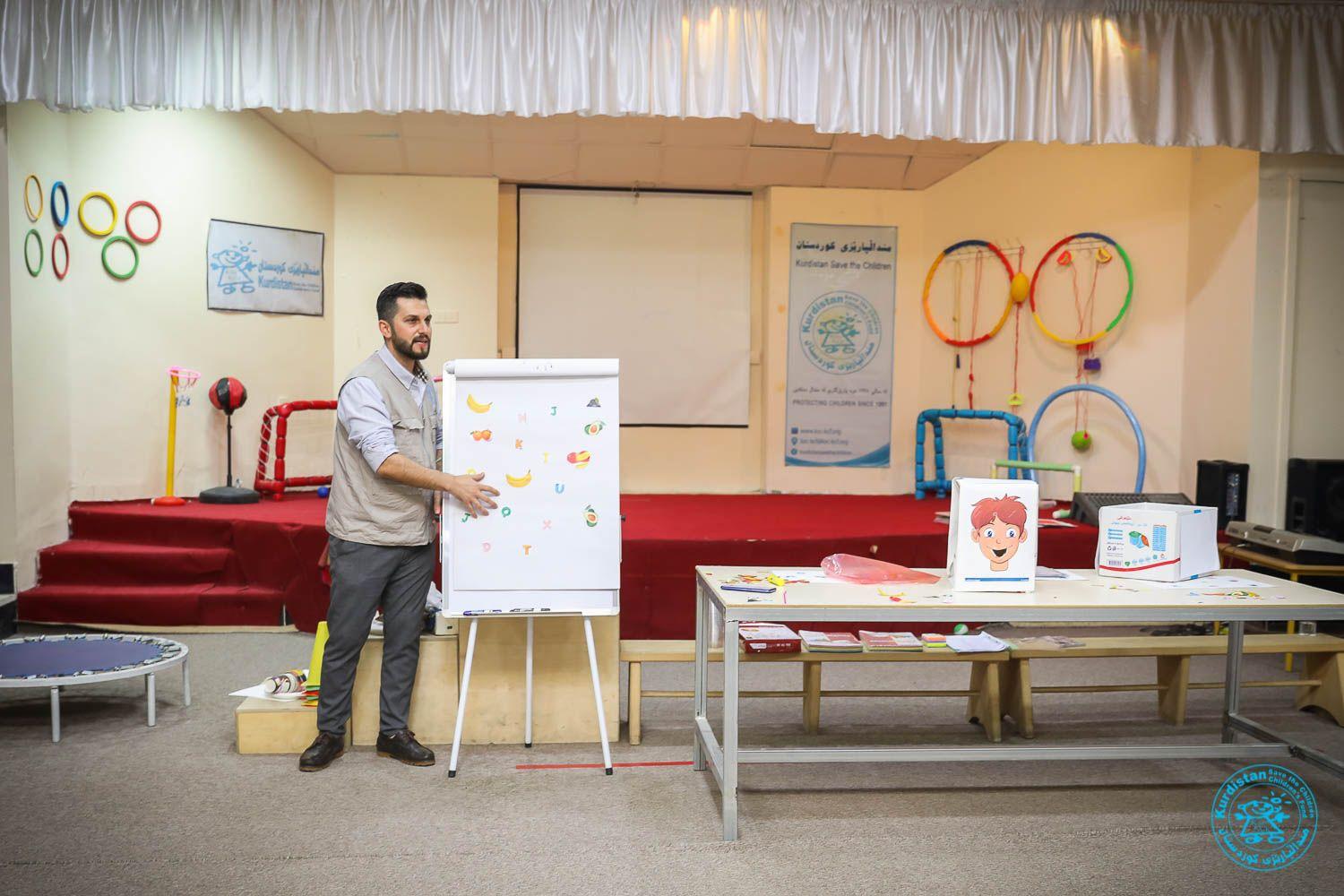
Non-formal education is a structured learning process with clear objectives, tailored to meet the specific needs of its participants. Its primary aim is to develop the abilities of children and youth by fostering essential life skills such as communication, cooperation, self-confidence, honesty, emotional expression, attention, and concentration. A fundamental principle of non-formal education is active participation, which encourages freedom of expression and values the opinions of all learners. Facilitators play a crucial role in creating a safe and supportive environment conducive to effective learning. The project’s beneficiaries include facilitators from non-governmental organizations, teachers from schools and kindergartens, social and psychological workers in women’s and children’s reformatories, and facilitators from relevant governmental agencies.
Non-Formal Education Manual
This manual offers a concise overview of Non-Formal Education and includes practical examples of activities commonly used by educators working with children. Experienced facilitators may adapt these activities to better suit the specific educational needs of their participants.
The manual presents a range of educational activities designed to teach academic subjects through engaging and purposeful games, ensuring a professional and effective learning experience.